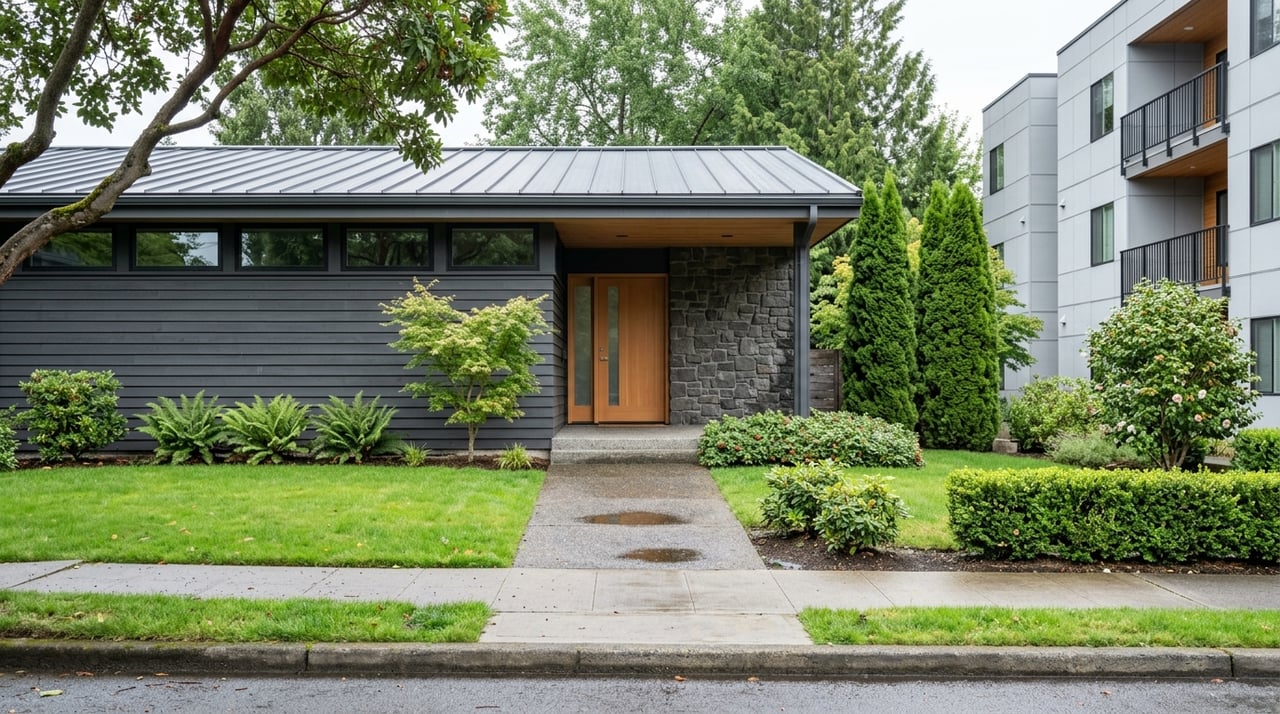
What Life in Shoreline WA Offers: Commutes, Parks & Homes
If you want a place that keeps you connected to Seattle without giving up a more residential day-to-day feel, Shoreline often stands out quickly. You may be weighing commute options, outdoor access, and the kinds of homes you can realistically find, especially if you are relocating or narrowing your search in North King County. This guide will walk you through what daily life in Shoreline looks like, from getting into Seattle to spending time outdoors and understanding the local housing mix. Let’s dive in.
Shoreline has a strong connection to the Seattle job market, but its daily rhythm still feels more residential than many denser in-city areas. According to U.S. Census data, 66.3% of housing units are owner-occupied, the median gross rent is $1,985, and the mean travel time to work is 27.2 minutes.
That mix can appeal to a wide range of buyers and renters. If you want access to a major employment center while still prioritizing neighborhood routines, parks, and a broader range of home types, Shoreline offers a practical balance.
For many people considering Shoreline, the commute question comes first. The city offers several ways to reach Seattle, which gives you more flexibility than a one-route suburb.
Shoreline has two Sound Transit Link 1 Line stations: Shoreline South/148th and Shoreline North/185th. From there, the line continues through key Seattle stops including Northgate, Roosevelt, the U District, the University of Washington, Capitol Hill, Westlake, Pioneer Square, and International District/Chinatown.
In practical terms, that means you can plan around rail access if you want a more predictable trip into Seattle. For buyers and relocating households, this can make Shoreline feel more connected than its quieter residential setting might suggest at first glance.
Bus service adds another layer of convenience. King County Metro’s RapidRide E Line runs from Aurora Village through Shoreline and continues to Downtown Seattle.
Other routes support different commuting patterns. Route 5 connects Shoreline Community College with Downtown Seattle, and Route 65 links Ridgecrest and Shoreline South Station with the University District and the UW campus.
Not every commuter wants a fully transit-based routine. Shoreline South/148th includes 500 parking spaces and bike parking, and carpool permits are available at both Shoreline stations.
That setup supports a more flexible lifestyle. You may choose to drive part of the way, park near transit, bike to a station, or combine several modes depending on your work schedule.
Shoreline’s transportation network is not built around just one way of getting around. City planning describes a system that includes auto travel, walking, biking, transit, and shared-use mobility.
For you, that can mean more choice in how you structure the week. If your schedule changes often, or if multiple household members commute in different directions, that flexibility can matter as much as the average travel time.
Shoreline’s outdoor identity is rooted more in parks, trails, and open space than in a classic beach-town feel. Across the city, you will find neighborhood parks, wooded areas, and places for casual recreation close to residential streets.
That can be a major plus if your ideal daily routine includes walks, playground time, sports courts, or quick access to green space. Rather than relying on one signature destination, Shoreline offers a network of outdoor options spread throughout the city.
Hamlin Park is one of the city’s more versatile park spaces. It includes ballfields, picnic areas, a playground, public art, reservable fields, restrooms, and unpaved trails.
If you like having multiple uses in one place, this park checks several boxes. It can support anything from a quick trail walk to a planned afternoon outdoors.
Boeing Creek Open Space and Boeing Creek Park are known more for natural character than built recreation features. Both are primarily wooded areas with unpaved trails.
These spaces help reinforce Shoreline’s established, green feel. If you prefer quieter outdoor settings over highly programmed park space, they add an important part of the local lifestyle.
Twin Ponds Park offers a broad mix of amenities. The park includes a community garden, pickleball, tennis, soccer, picnic areas, a playground, and unpaved trails.
For households trying to balance different interests, that variety can be useful. One person may be there for sports, another for a walk, and another for a casual meet-up outdoors.
Echo Lake Park brings together lake access and everyday convenience. It offers open water access, paved trails, picnic areas, a playground, public art, and restrooms.
That combination makes it easy to picture regular use, not just occasional visits. It is the kind of park that fits naturally into weekday and weekend routines.
When people think of shoreline living, they often picture direct water access everywhere. In Shoreline, the reality is more specific.
Richmond Beach is the city’s clearest waterfront area, and Richmond Beach Saltwater Park is the only park in Shoreline with direct public access to the saltwater shoreline. The park includes open water access, picnic shelters, a view terrace, playground space, and an off-leash dog area.
Nearby, Richmond Beach Community Park offers Puget Sound views and sits within an area that includes single-family, multifamily, and commercial uses. Together, these spaces give Shoreline a meaningful waterfront identity, but most day-to-day outdoor life across the city remains more park-and-trail oriented than beach-oriented.
Shoreline’s housing story is one of both continuity and change. In many areas, the city still reads as an established single-family community, but planning and development trends show a broader range of housing choices taking shape.
Almost 60% of Shoreline’s housing stock was built before 1970, and the median year of home construction is 1965. Only 7% of homes were built after 1999.
Those numbers help explain why many neighborhoods feel mature and established. You will often see housing patterns that reflect earlier suburban growth rather than large-scale recent buildout.
City planning analysis notes that detached single-family homes have long been the dominant housing type. That remains a key part of Shoreline’s character in many residential areas.
If you are looking for a more traditional suburban layout, this is part of what draws people to the city. Many streetscapes reflect that long-standing pattern.
At the same time, Shoreline has been expanding the kinds of homes allowed in residential areas. In January 2025, the city adopted middle housing into its Development Code Updates.
City materials define middle housing to include duplexes, triplexes, fourplexes, cottage housing, townhouses, multiplexes, and live/work units. The Neighborhood Residential Handbook also lists detached homes, ADUs, duplexes, triplexes, fourplexes, fiveplexes, sixplexes, cottage housing, stacked flats, and townhomes as allowed forms in residential areas.
This direction fits with planning around station areas and mixed-use nodes. Shoreline planning documents anticipated mixed-use buildings, condominiums, apartments, and townhomes near transit, along with infill projects ranging from townhouses to mid-rise mixed-use buildings.
If you tour Shoreline, you may notice a mix of older detached homes, infill townhomes, and some newer apartments or mixed-use development near major transit areas. That variety can be helpful if you are comparing price points, maintenance needs, or commute priorities.
It also means Shoreline is not a one-style market. You can approach the city with different goals, whether you want an established home, a lower-maintenance townhome, or a location with easier access to transit.
For a broad snapshot of costs, the current census profile shows a median owner-occupied home value of $811,100. Median monthly owner costs with a mortgage are $3,198, and median gross rent is $1,985.
These numbers do not define every listing or every neighborhood, but they do offer a useful starting point. If you are planning a move, they can help you frame what Shoreline may look like compared with other Seattle-area options.
Shoreline can make sense for several types of buyers and movers. It may appeal to you if you want Seattle access, value regular park use, and prefer a city with both established neighborhoods and evolving transit-oriented housing options.
It can also be a strong fit if you are relocating and need choices. Some buyers focus on light rail access, some prioritize detached homes on residential streets, and others want townhomes or condo-style living with easier maintenance.
Shoreline offers a practical mix that can be hard to find in one place. You get multiple commute options into Seattle, a park system shaped by trails and open space, and a housing market that blends established homes with newer choices near transit.
If you are trying to decide whether Shoreline fits your lifestyle, the most helpful next step is usually to compare specific areas, home types, and commute patterns in person. If you want thoughtful guidance as you explore Shoreline or other King County communities, the team at theeverhomeshomegroup.com is here to help.
Browse Other Articles
At EverHomes Home Group, we believe selling a home takes more than putting it on the market—it takes positioning, timing, strategy, and thoughtful execution. We work with motivated clients who value guidance, clarity, and a smarter approach designed to create stronger results without the pressure or noise.
Everhomes Home Group
[email protected]
(541) 707-7706
Open Hours
M0nday–Saturday: 8:00 am – 6:00 pm
Address
16400 Southcenter Pkwy Ste 306
Tukwila, Wa 98188