Tacoma’s North End: Character Homes And Coastal Feel
If you are drawn to older homes, tree-lined streets, and the kind of waterfront access that changes your everyday routine, Tacoma’s North End deserves a closer look. This part of Tacoma offers a mix of architectural character, established neighborhood pockets, and real access to the shoreline that gives it a distinct coastal feel. If you are trying to decide whether the North End fits your lifestyle, this guide will help you understand what makes the area stand out. Let’s dive in.
Tacoma’s North End is best understood as a broad district rather than a single, uniform neighborhood. According to the North End Neighborhood Council, it generally includes the area east of Orchard Street, north of 6th Avenue, and west of the Stadium business district.
Within that larger area, you will find a collection of smaller places and identities, including Proctor, Old Town, North Slope, Stadium, College Park, Buckley, the University of Puget Sound area, Puget Park/North Proctor, and the Wedge. That mix is part of the appeal because each pocket offers a slightly different rhythm while still feeling connected to the larger North End.
The North End is also tied closely to Tacoma’s early history. The neighborhood council describes it as Tacoma’s original settlement area, shaped by business districts, parks, schools, and water views that still influence daily life today.
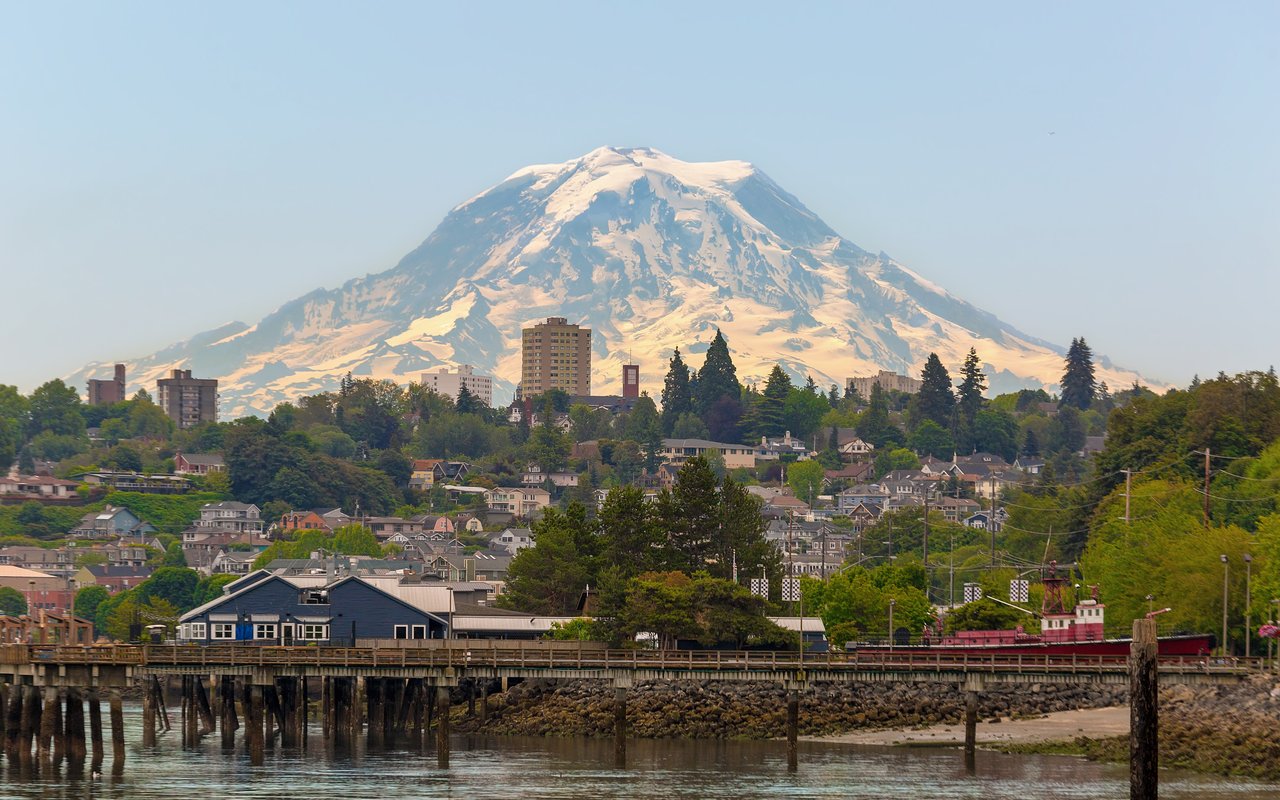
The North End’s coastal feel is not just about aesthetics. It comes from the area’s relationship to Commencement Bay, shoreline-oriented streets, and direct access to waterfront parks and trails.
City historic-preservation materials note that the North Slope district follows an angled street pattern influenced by the shoreline, linking Old Town with New Tacoma. The neighborhood council also describes some subareas as steep, narrow, and rich in views, which helps explain why parts of the North End can feel more visually connected to the water than other Tacoma neighborhoods.
That connection becomes even more obvious once you spend time along Ruston Way or near Point Defiance. In practical terms, the coastal feel comes from what you can actually do there, not just what you can see.
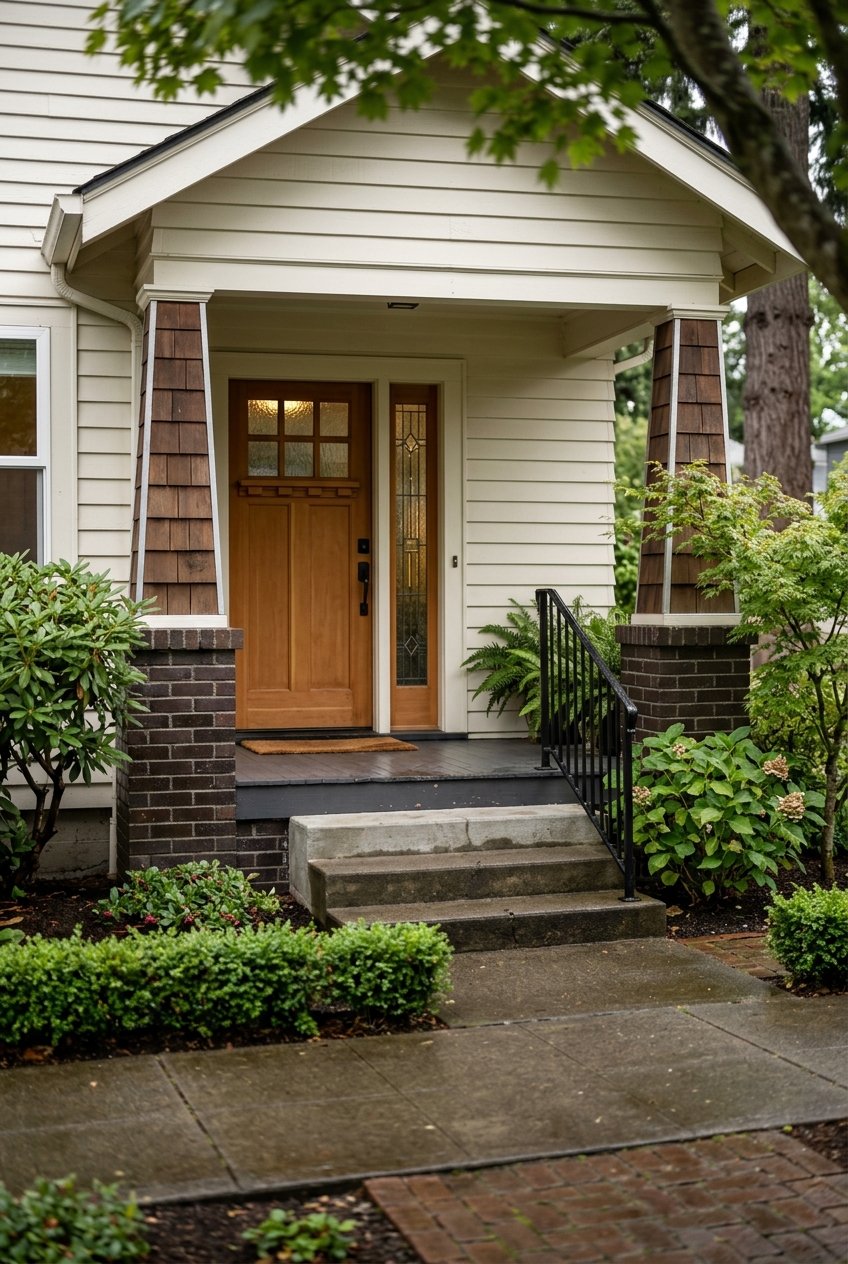
If you love homes with personality, the North End offers a wide range of older housing styles. Rather than one dominant look, the area is known for a mix of late-19th- and early-20th-century architecture.
The City of Tacoma says North Slope includes mostly Victorian, Craftsman, Colonial Revival, and Foursquare homes. In College Park, you will also find Queen Anne, Colonial Revival, Tudor Revival, Minimal Traditional, and Craftsman styles. Buckley’s Addition adds more Queen Anne, Tudor Revival, Colonial Revival, Foursquare, and Craftsman homes to the mix.
These are described by the city as Pacific Northwest versions of residential styles that were popular across the United States before World War II. For buyers, that means the North End often feels more layered and distinctive than neighborhoods built in a single era.
The North End’s historic districts are substantial, and they play a big role in the area’s identity. The city says North Slope has more than 950 properties and is one of the largest historic districts in the country.
Buckley’s Addition includes 592 primary buildings and is described as a typical early 20th-century streetcar suburb. College Park includes 582 primary buildings, with most built between 1890 and 1960. Those numbers help explain why so much of the North End feels established and visually consistent from block to block.
Even with its strong historic identity, the North End is not a uniform tract of single-family homes. The neighborhood council notes that outside the Proctor business district, much of the area is primarily single-family, with very few vacant lots remaining in some core sections.
At the same time, some parts of the North End include duplexes and apartments, especially near commercial corridors or hillside streets. If you are comparing options, that means your experience can vary quite a bit depending on which micro-area you focus on.
One of the North End’s strengths is that it balances residential calm with a few practical commercial nodes. You are not looking at a fully urban grid, but you are also not cut off from daily conveniences.
For many people, Proctor is the easiest place to picture day-to-day life. The neighborhood council says the Proctor Business District includes two major grocery stores, a Saturday farmers market during most of the year, and the North End’s largest community garden.
It also notes several nearby institutions and amenities, including Wheelock Library, Mason Middle School, Washington Elementary, Hoyt Elementary, and the tree-lined Union Avenue and Mason Avenue medians that form part of the Mason-Union Loop walking trail. The City of Tacoma also describes Proctor as a long-standing business district with a Saturday farmers market.
Old Town brings a different kind of daily experience. The neighborhood council describes it as Tacoma’s original town site, with a commercial corridor along North 30th Street that includes restaurants and professional services.
It also notes that Old Town includes many of the parks and waterfront businesses along Ruston Way, along with notable water views. If you want a neighborhood feel that is tied closely to Tacoma’s history and the shoreline, Old Town often stands out.
The North End’s access to the waterfront is one of its clearest lifestyle benefits. For many buyers, this is the feature that turns a nice neighborhood into a place that feels hard to leave.
Parks Tacoma describes Ruston Way as a two-mile scenic waterfront with panoramic views of Commencement Bay. It offers access for walking, jogging, rollerblading, fishing, kayaking, and paddle boarding.
The waterfront includes several smaller parks, such as Judge Jack Tanner Park, Dickman Mill Park, Hamilton Park, Jack Hyde Park, and Chinese Reconciliation Park. That gives you multiple places to enjoy the shoreline without needing to plan a full-day outing.
Point Defiance Park adds another layer to North End living. Parks Tacoma says the park includes 760 acres of trails, beaches, forest, gardens, Owen Beach, a marina, Fort Nisqually, the zoo and aquarium, and an off-leash dog park.
For buyers comparing Tacoma neighborhoods, that kind of access matters. It can shape how you spend weekends, how often you get outside, and how connected you feel to the natural side of the city.
If you are considering a move to the North End, it helps to think beyond curb appeal. Character homes and historic surroundings are a big part of the draw, but they also come with practical considerations.
One of the most important is whether a home sits within a local historic district. The City of Tacoma says exterior work in these districts can require design review, including changes to windows, siding, additions, chimneys, porches, and decks.
The city also says district guidelines can address scale, materials, roof shape, fenestration, additions, parking, entrances, and streetscape. If you love the idea of preserving architectural detail, this may feel like a benefit. If you expect to make major exterior changes, it is something to review early.
Because the North End is really a collection of smaller areas, your experience will depend on where you land. A home near Proctor may offer easier errand access, while a property closer to Old Town or Ruston Way may feel more tied to the shoreline.
Interior residential streets may feel quieter and more removed from commercial activity. That is why it often helps to compare the North End block by block instead of treating it like a single neighborhood with one consistent lifestyle.
The North End appeals to buyers who want a neighborhood with texture and a sense of place. Its mix of older homes, mature landscaping, business districts, hillside streets, and waterfront access creates an experience that feels distinct within Tacoma.
For some buyers, the draw is architectural character. For others, it is the ability to spend time along Ruston Way, head to Point Defiance, or run errands in Proctor without giving up the feel of an established residential area.
The biggest takeaway is simple: Tacoma’s North End is not defined by just one feature. It is the combination of historic housing, coastal setting, and everyday livability that gives it staying power.
If you are weighing neighborhoods in Tacoma or planning a move within Pierce County, a thoughtful local strategy can make the search feel much clearer. When you are ready for tailored guidance, connect with theeverhomeshomegroup.com for a calm, informed approach to buying or selling in the Tacoma area.
Browse Other Articles
At EverHomes Home Group, we believe selling a home takes more than putting it on the market—it takes positioning, timing, strategy, and thoughtful execution. We work with motivated clients who value guidance, clarity, and a smarter approach designed to create stronger results without the pressure or noise.
Everhomes Home Group
[email protected]
(541) 707-7706
Open Hours
M0nday–Saturday: 8:00 am – 6:00 pm
Address
16400 Southcenter Pkwy Ste 306
Tukwila, Wa 98188